
THE HAWKSFOLD ESTATE
Our Story
A working estate on the Surrey-Sussex border where ash hardwood has grown in managed woodland for generations.
Hawksfold is a place, not a brand
The Estate
Hawksfold sits quietly on the Surrey-Sussex border, a few miles from Haslemere, at the point where the South Downs begin to soften into the Weald. The estate covers around fifty acres — woodland, meadow, traditional barns, and the upper tributaries of the Rivers Lod and Rother threading through the lower ground. It is the kind of place you feel before you quite understand it.
The old barns are built from local timber and tile. They have stood here long enough that the oak posts have gone silver, and they do what good agricultural buildings do: they let the air through and keep the rain out. Which, as it happens, is exactly what you need to air-dry firewood properly.
Hawksfold is not a large estate by historical standards, but it is a complete one. The woodland connects to the meadow. The meadow borders the river. The river runs through the valley below the house. The chickens are somewhere in all of this, and the deer come through the woodland most mornings before the light is quite up. Barn owls quarter the meadow in the hour after dark. There are buzzards overhead on most clear days, and in the right season, wild trout rising in the river.
We have been here long enough to understand that an estate like this works best when every part of it is doing something useful. The woodland produces timber. The barns store and dry it. The cottage brings guests who experience the estate on its own terms. The firewood connects all of those things — it comes from a specific piece of ground, and it goes to people who want to know exactly where what they burn comes from.
Our Woodland
The ash in our woodland grows slowly, as ash does in the Surrey weald — competition from oak and hazel keeps it reaching for light, which tends to produce straight, clean timber with tight grain. We manage the woodland through a cycle of selective felling and natural regeneration. We do not clear-fell. We take what is ready, leave what needs more time, and let the woodland replenish itself in its own sequence.
Ash (Fraxinus excelsior) is the native hardwood most suited to firewood production in southern England. Its heat output is exceptional — around 7.9 kWh per kilogram when properly dried — and it burns with a steady, even flame that requires little management once it's lit. It splits cleanly, especially after the first frost of autumn, when the wood fibres have relaxed overnight. It lights more readily than oak and burns longer than birch. And unlike many hardwoods, ash that has been properly air-dried produces almost no soot, very little smoke, and a fine, pale ash that is easy to remove from a firebox.
We are a single-species operation by choice, not default. We know our ash. We know how it grows, how it dries, how it behaves in different appliances, and what it looks and sounds like when it is ready to burn. Keeping our focus narrow means we can get that part right.
The Drying Process
Everything we sell is air-dried, not kiln-dried. That distinction matters to us, and we think it should matter to you.
Kiln-drying works by passing very high-temperature air through a chamber of stacked wood, reducing moisture from green levels (often 50-60% for freshly felled ash) to below 20% in a few days. It is fast, it achieves the moisture target, and it dominates the commercial firewood market. But it uses significant energy — sometimes as much thermal energy as the wood will ultimately produce — and it tends to leave the wood brittle and stripped of the natural oils that give slow-burning logs their character.
Air-drying takes longer. Our ash is split, stacked in the open-sided barns with gaps between each course to allow airflow, and left for twelve to twenty-four months. The Surrey-Sussex border gets consistent wind off the Downs, which helps; the barns face into the prevailing direction and are built so air can move through freely. We monitor moisture levels throughout, and nothing is packed or shipped until it reads consistently below 20% — and usually closer to 15%.
The result is a log that lights from a natural firelighter or a small amount of kindling, catches cleanly without excessive smoke, and burns in a way that kiln-dried wood rarely does: with a depth and steadiness that holds heat well into the evening.
All of our wood is Ready to Burn certified under the Woodsure scheme, which is administered on behalf of Defra. This certification has been a legal requirement for wood sold under 2m³ in the UK since May 2021 under the Air Quality (Domestic Solid Fuels Standards) Regulations 2020. We were already below the threshold before the scheme came into effect; the certification simply formalises what we had been doing all along.
Nathan & Susie
We are Nathan and Susie. We came to Hawksfold with a straightforward idea: run the estate properly, make the most of what it produces, and do both things well enough that the estate can sustain itself over time.
Nathan manages the woodland operations — the felling, the splitting, the stacking, and the ongoing work of keeping fifty acres of mixed woodland in good order. He is the one who checks the moisture readings before a batch goes out, and the one who notices when something in the process needs adjusting. Susie runs the guest side of the estate, manages the cottage, and keeps the operation connected to the people who stay here and the customers who order online.
Neither of us came from a firewood background. We came from an estate, and the firewood came from that. Which is, we think, the right way around.
The Cottage Connection
The holiday cottage at Hawksfold sleeps four. Guests arrive and find the estate around them — the barns, the woodland, the chickens, the river. In the evening, they use the outdoor pizza oven or gather around the fire pit in the garden. The wood they burn is the same wood we pack and ship. They do not have to take our word for it about how it burns; they experience it directly.
We think that connection matters. When someone orders a 15kg box of ash stove logs and it arrives from a specific address on the Surrey-Sussex border, it should feel like it came from a place — because it did. The cottage makes that tangible in a way that a Woodsure certificate alone cannot.
We have more accommodation planned at Hawksfold. The estate has the space for it, and we want more people to experience what it is like to spend an evening here. That side of things is growing. The firewood operation is how it starts.
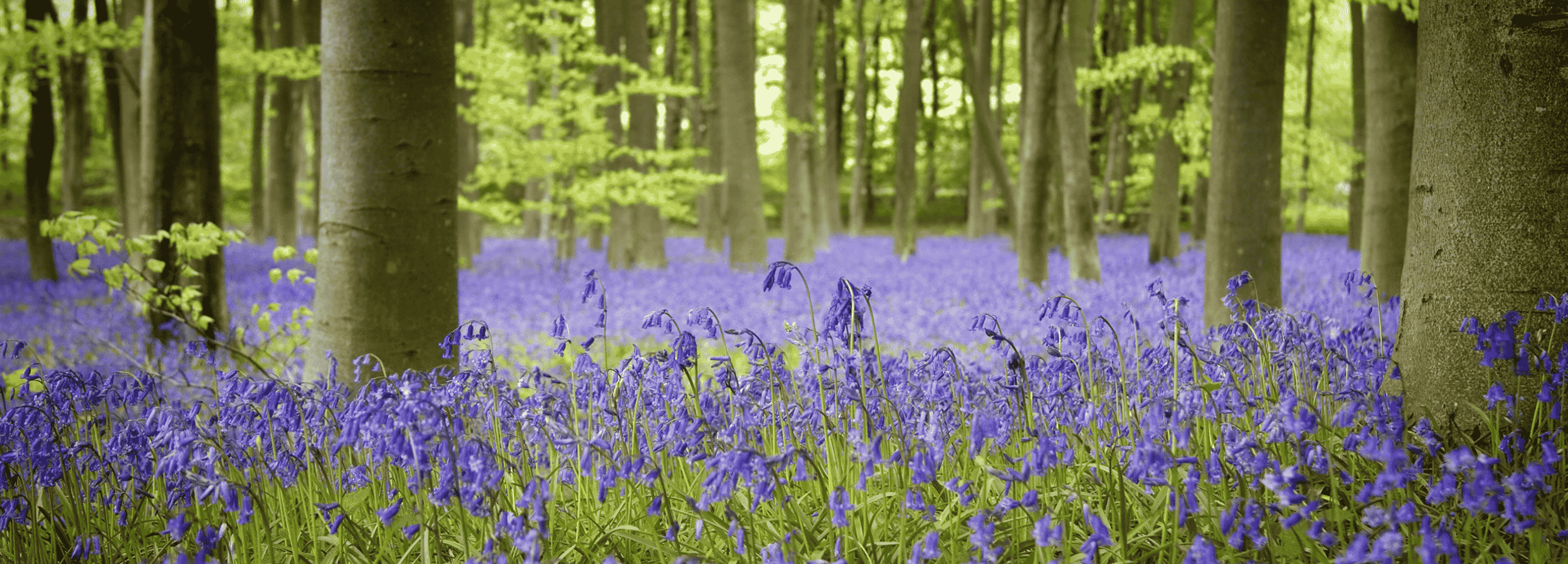
THE WOODLAND
Our woodland is managed on a long rotation — felling selectively, replanting continuously, and maintaining biodiversity throughout. Every tree removed opens light for the next generation. This is progressive forestry, not clear-cutting. The estate has been managed this way for generations, and we intend to keep it that way.
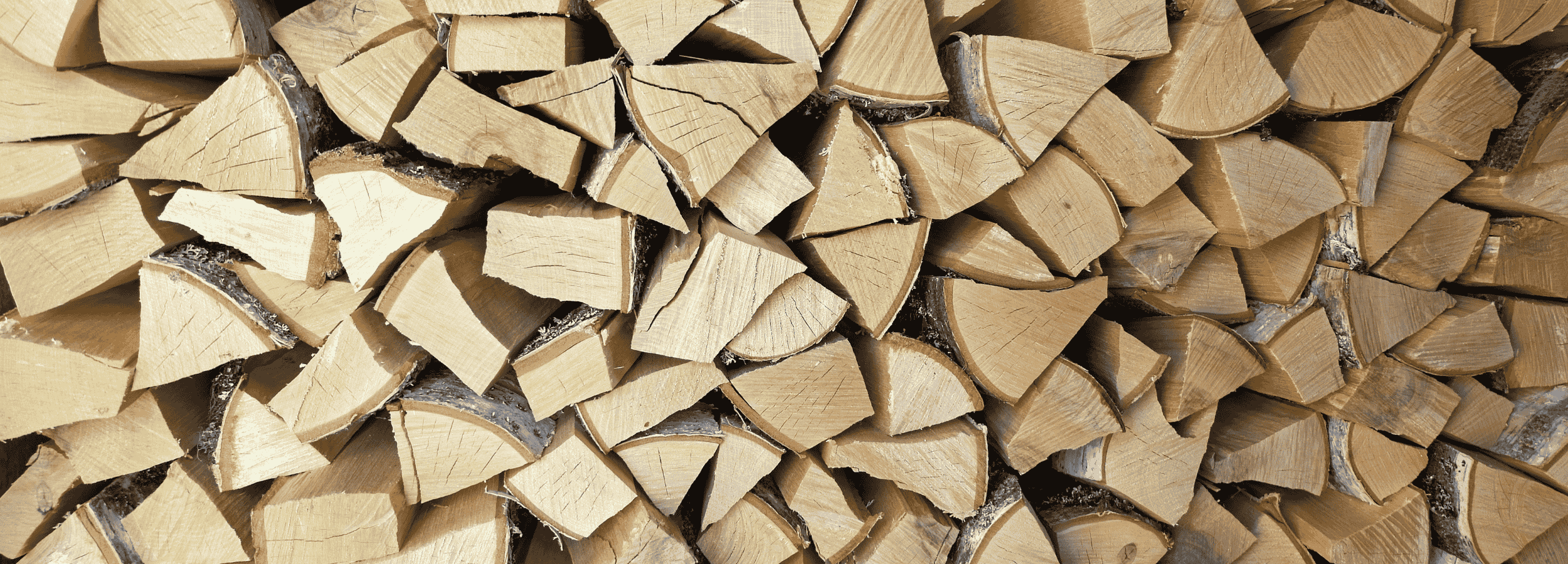
THE BARNS
Air-drying is a choice. It takes longer than kiln-drying — 18 months versus a few days — but it preserves the density and character of the hardwood. Our barns provide shelter from rain while allowing air to circulate freely. The wood tells you when it is ready: dry to the core, dense with stored heat, clean-burning and long-lasting.